Showing posts with label British Museum. Show all posts
Showing posts with label British Museum. Show all posts
Tuesday, May 28, 2013
Líneas españolas
Cuando uno hace un rápido repaso mental a sus obras de arte favoritas, es posible que haya más de un dibujo en la lista. Hoy somos capaces de mirar un dibujo con el mismo interés que una pintura, pero conviene recordar que esta es una actitud propia de nuestra sensibilidad moderna y, por tanto, muy reciente. Antes del siglo XIX, antes de la aparición del espíritu romántico, los dibujos cumplían un papel estrictamente secundario. No eran más que bocetos para futuros cuadros o, en el mejor de los casos, arrebatos de libertad del artista. De ninguna manera, sin embargo, estos dibujos podían competir con un cuadro. Cierto que hay excepciones (Durero y Rembrandt son los más evidentes), pero si hacemos un repaso a la historia del arte, debemos esperar a Goya para ver el dibujo convertido en una disciplina merecedora de una apreciación puramente estética.


Wednesday, May 8, 2013
To Live and Die by Mount Vesuvius
There is something tragically romantic about Pompeii and her fellow seaside town Herculaneum, both destroyed by the villainous Vesuvius in 79 CE. Ironically, the volcano, initially merely thought of as a mere mountain, erupted on 24 August, the day after Vulcanalia – the festival of the Roman god of fire.

Wednesday, April 17, 2013
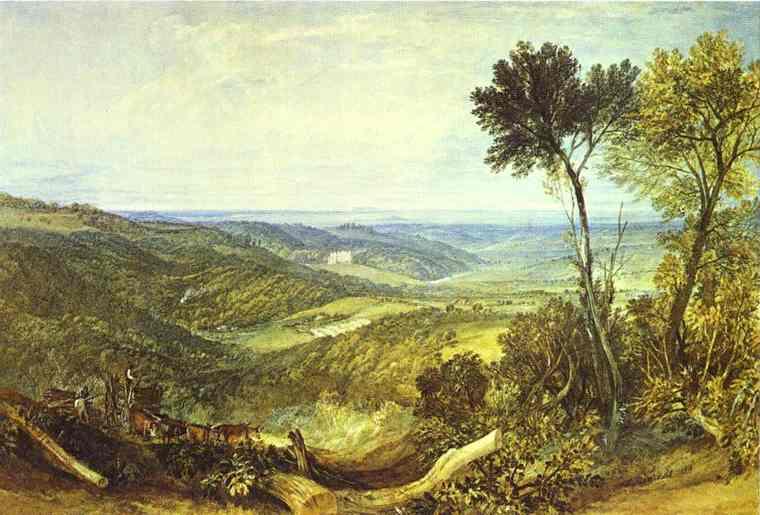
Paisajes antiguos y modernos
Hay dos tipos de personas, a las que les gustan los retratos y a las que les gustan los paisajes. Personalmente soy una de las personas de paisaje, en mi cámara de fotos raramente encontrarás un primer plano de una persona, y desde luego, ni una foto mía (no es que piense que las fotos roban el alma, pero casi).
Runge (sí, el de la esfera) dijo que «todo conduce necesariamente al paisaje» y no puedo estar más de acuerdo. Absolutamente todo lo que vemos es, o contiene, un paisaje, aunque a veces nos neguemos a reconocerlo con la excusa de que «no es naturaleza». Es tan importante que hasta la UNESCO recomienda su protección (cosa que no tardaremos en agradecer, viendo el camino que llevamos).
Runge (sí, el de la esfera) dijo que «todo conduce necesariamente al paisaje» y no puedo estar más de acuerdo. Absolutamente todo lo que vemos es, o contiene, un paisaje, aunque a veces nos neguemos a reconocerlo con la excusa de que «no es naturaleza». Es tan importante que hasta la UNESCO recomienda su protección (cosa que no tardaremos en agradecer, viendo el camino que llevamos).

Wednesday, January 2, 2013
Goya, pintor de contradicciones, y otros españoles ilustres
Hablar de Francisco de Goya y Lucientes, para mí, es como volver a casa. Siendo de donde soy (Zaragoza) Goya ha estado presente en mi vida desde mi más tierna infancia. Desde el fresco del Pilar al retrato de familia de Carlos IV pasando por los murales de la Cartuja de Aula Dei o los dibujos para la Real Fábrica de Tapices y, mucho más tarde, las estatuas de los majos que pusieron frente a la Lonja de mi ciudad natal. Creo que no me equivoco al decir que todo aragonés siente a Goya como una especie de abuelo gruñón (con permiso de Labordeta).

Vicente López Portaña, El pintor Francisco de Goya, 1826.
Óleo sobre lienzo, 95,5 x 80,5 cm.
Museo Nacional del Prado, Madrid.
Goya fue un afrancesado ilustrado profundamente católico y quizá es esta aparente contradicción la que le ayudó a mostrar las que veía a su alrededor, plasmadas en gran cantidad de obras. O quizá fue sencillamente su condición de reformador, comulgante con el partido liberal sobre todo en materia de educación, la que le llevó a plasmar toda suerte de vicios y malas costumbres que criticaba en sus obras, en las que no perdona ni a la nobleza ni al clero. Este afán acusador se hizo aún más evidente cuando se quedó sordo, ya que su humor empeoró y dio paso a Los Caprichos. Después vino la guerra con sus horrores, que retrató fielmente. Fruto de su sordera, se le fue agriando el carácter, volviéndose huraño y asocial. Se aisló en la Quinta del Sordo y realizó sus pinturas negras. Esto fue antes de partir hacia Burdeos, harto de un rey al que no consideraba digno, y morir en el exilio.

Francisco de Goya y Lucientes, El 3 de mayo en Madrid, 1814.
Óleo sobre lienzo, 268 x 347 cm.
Museo Nacional del Prado, Madrid.
Date prisa y acércate al British Museum (Londres) para contemplar las obras de grandes artistas españoles como Goya, Velázquez, Murillo,... que estarán expuestas hasta el día 6 de enero. Si no te da tiempo, siempre puedes disfrutar en casa de este libro, escrito por Jp. A. Calosse, o este otro de Sarah Carr-Gomm.

Vicente López Portaña, El pintor Francisco de Goya, 1826.
Óleo sobre lienzo, 95,5 x 80,5 cm.
Museo Nacional del Prado, Madrid.
Goya fue un afrancesado ilustrado profundamente católico y quizá es esta aparente contradicción la que le ayudó a mostrar las que veía a su alrededor, plasmadas en gran cantidad de obras. O quizá fue sencillamente su condición de reformador, comulgante con el partido liberal sobre todo en materia de educación, la que le llevó a plasmar toda suerte de vicios y malas costumbres que criticaba en sus obras, en las que no perdona ni a la nobleza ni al clero. Este afán acusador se hizo aún más evidente cuando se quedó sordo, ya que su humor empeoró y dio paso a Los Caprichos. Después vino la guerra con sus horrores, que retrató fielmente. Fruto de su sordera, se le fue agriando el carácter, volviéndose huraño y asocial. Se aisló en la Quinta del Sordo y realizó sus pinturas negras. Esto fue antes de partir hacia Burdeos, harto de un rey al que no consideraba digno, y morir en el exilio.

Francisco de Goya y Lucientes, El 3 de mayo en Madrid, 1814.
Óleo sobre lienzo, 268 x 347 cm.
Museo Nacional del Prado, Madrid.
Date prisa y acércate al British Museum (Londres) para contemplar las obras de grandes artistas españoles como Goya, Velázquez, Murillo,... que estarán expuestas hasta el día 6 de enero. Si no te da tiempo, siempre puedes disfrutar en casa de este libro, escrito por Jp. A. Calosse, o este otro de Sarah Carr-Gomm.
Wednesday, November 21, 2012
Kontroversen bei Goya
In der Kunstgeschichte sind es vor allem die kontroversen Diskussionen, die diese mitunter als verstaubt geltende Wissenschaft immer wieder spannend werden lassen. Neben Urheberschaft und Interpretationsvarianten verleiten auch sozialkritische Werke immer zu umfangreichen Debatten.
Ein solches sozialkritisches Werk ist Los Caprichos, Druckgrafiken aus den Jahren 1793 bis 1799, das sich mit den Ehesitten seiner Zeit kritisch auseinandersetzt, das die Erziehung, die Prostitution und den Aberglauben thematisiert und nicht nur den klerikalen Machtmissbrauch mit Hilfe der Inquisition, sondern auch den Adel und die Regierung gezielt angreift. In 80 Blättern entwirft Francisco de Goya (1746-1828) Sittenbilder seiner Zeit, die er nach nur wenigen Tagen wieder aus dem Verkauf zurückzieht, weil er selbst die Inquisition fürchten muss.

Francisco de Goya, El sueño de la razon produce monstruos (Der Schlaf der Vernunft gebiert Ungeheuer), in Los Caprichos, Blatt 43, 1797-1798.
Radierung und Aquatinta, 21,6 x 15,2 cm.
Das Blatt 43 zog seither das besondere Interesse der Kunstgeschichte auf sich. Es leitet den Letzten der drei von Goya gewählten Themenkreise, den Aberglauben, ein. Wie auf vielen weiteren Grafiken dieser Reihe findet sich auch hier ein kurzer Kommentar: El sueño de la razón produce monstruos.
Und genau diese Zeile ist für ein immer noch anhaltendes Interpretationsaufgebot der Wissenschaft verantwortlich. Schläft die Vernunft oder träumt sie? Sprachgeschichtlich hat el sueño sowohl die eine als auch die andere Bedeutung, die hier jedoch den entscheidenden Unterschied macht. Denn ob die „Monstren“ erst in Erscheinung treten, wenn die Vernunft schläft, oder ob sie selbst ein Produkt der träumenden Vernunft sind, ist für die Interpretation des Werkes im Kontext der Gesellschaftskritik zu Zeiten der Aufklärung, in der die Vernunft triumphierend den Menschen aus seiner selbst verschuldeten Unmündigkeit befreite, essenziell.
Und genau diese Ambivalenz der Wortbedeutung lässt Liebhaber und Kunsthistoriker immer wieder in heiße Debatten über die Intention des Künstlers verfallen. Ein Kommentar Goyas zum Blatt selbst wiederum scheint die Auflösung des Konfliktes zu offenbaren: „Die Fantasie, verlassen von der Vernunft, erzeugt unmögliche Ungeheuer; vereint mit ihr ist sie die Mutter der Künste und Ursprung der Wunder.“ Oder ist auch hier nicht nur das künstlerische Schaffen selbst gemeint?
Weniger kontrovers, aber ebenso anregend ist die aktuelle Ausstellung Renaissance to Goya: print and drawings from Spain im British Museum in London. Verfolgen Sie hier die Geschichte der spanischen Zeichnung und Druckgrafik oder begleiten Sie zusammen mit Sarah Carr-Gomm Francisco Goya auf seiner Lebensreise vom Hofmaler zum Grafiker und entdecken Sie seine Werke mit Jp. A. Calosses‘ Goya aus dem Verlag Parkstone-International.
Ein solches sozialkritisches Werk ist Los Caprichos, Druckgrafiken aus den Jahren 1793 bis 1799, das sich mit den Ehesitten seiner Zeit kritisch auseinandersetzt, das die Erziehung, die Prostitution und den Aberglauben thematisiert und nicht nur den klerikalen Machtmissbrauch mit Hilfe der Inquisition, sondern auch den Adel und die Regierung gezielt angreift. In 80 Blättern entwirft Francisco de Goya (1746-1828) Sittenbilder seiner Zeit, die er nach nur wenigen Tagen wieder aus dem Verkauf zurückzieht, weil er selbst die Inquisition fürchten muss.

Francisco de Goya, El sueño de la razon produce monstruos (Der Schlaf der Vernunft gebiert Ungeheuer), in Los Caprichos, Blatt 43, 1797-1798.
Radierung und Aquatinta, 21,6 x 15,2 cm.
Das Blatt 43 zog seither das besondere Interesse der Kunstgeschichte auf sich. Es leitet den Letzten der drei von Goya gewählten Themenkreise, den Aberglauben, ein. Wie auf vielen weiteren Grafiken dieser Reihe findet sich auch hier ein kurzer Kommentar: El sueño de la razón produce monstruos.
Und genau diese Zeile ist für ein immer noch anhaltendes Interpretationsaufgebot der Wissenschaft verantwortlich. Schläft die Vernunft oder träumt sie? Sprachgeschichtlich hat el sueño sowohl die eine als auch die andere Bedeutung, die hier jedoch den entscheidenden Unterschied macht. Denn ob die „Monstren“ erst in Erscheinung treten, wenn die Vernunft schläft, oder ob sie selbst ein Produkt der träumenden Vernunft sind, ist für die Interpretation des Werkes im Kontext der Gesellschaftskritik zu Zeiten der Aufklärung, in der die Vernunft triumphierend den Menschen aus seiner selbst verschuldeten Unmündigkeit befreite, essenziell.
Und genau diese Ambivalenz der Wortbedeutung lässt Liebhaber und Kunsthistoriker immer wieder in heiße Debatten über die Intention des Künstlers verfallen. Ein Kommentar Goyas zum Blatt selbst wiederum scheint die Auflösung des Konfliktes zu offenbaren: „Die Fantasie, verlassen von der Vernunft, erzeugt unmögliche Ungeheuer; vereint mit ihr ist sie die Mutter der Künste und Ursprung der Wunder.“ Oder ist auch hier nicht nur das künstlerische Schaffen selbst gemeint?
Weniger kontrovers, aber ebenso anregend ist die aktuelle Ausstellung Renaissance to Goya: print and drawings from Spain im British Museum in London. Verfolgen Sie hier die Geschichte der spanischen Zeichnung und Druckgrafik oder begleiten Sie zusammen mit Sarah Carr-Gomm Francisco Goya auf seiner Lebensreise vom Hofmaler zum Grafiker und entdecken Sie seine Werke mit Jp. A. Calosses‘ Goya aus dem Verlag Parkstone-International.
Friday, November 16, 2012
Goya: A model for ‘those that don’t succeed, try try again’?
Francisco de Goya: 18th Century Spanish bad boy? Overlooked Political Commentator? A sufferer for his art? Yes, yes, and yes. Goya is all of the above.
Ok, let’s start with the ‘Bad Boy’ charge. This aspect of his personality may be tracked back to his time studying under a master popular with Spanish Royalty of the time. It’s fair to say that he and his teacher didn’t exactly see eye to eye, which resulted in his receiving poor results in his examinations. Later on, he experienced further disappointment when he submitted entries to the Royal Academy of Fine Arts in San Fernando. These were rejected, not once, but twice, in 1763 and 1766. His ensuing fame and popularity could perhaps be taken as a lesson for rejected X-Factor auditionees... or anyone really who has been rejected/rebuffed/had the door slammed in their face. It can still happen!

The Family of Charles IV, 1800, oil on canvas, 280 x 336 cm, Museo Nacional del Prado, Madrid
However, this initial period of rejection and disappointment shaped Goya, I believe, to be very independent and perhaps outspoken. Exhibit A: the very daring portrait of Charles IV of Spain and his family. Daring, not in the sense that it was risqué, but rather that it was very politically indiscreet. Art historians today believe that this is an extremely satirical work, as it is thought that this particular portrait was intended to reveal the corruption of the country under the rule of Charles IV. Rumours have abounded that, during his reign, it was actually Charles’ wife Louisa who held the real power. Goya’s portrait seems to confirm this, as he centres Louisa in the middle of the group portrait, instead of the norm of focusing on the King. Such flagrant disregard for rules and etiquette was no doubt intentional, and almost certainly provided some amusement to those dissatisfied with the monarchy of the time.
As for suffering for his art, Francisco de Goya suffered acute hearing loss – and in fact became fully deaf – during the period of 1792-1793. There is much speculation surrounding the reason for this, some say that it was due to a series of small strokes, and others blame the lead in the pigments he used – saying that it poisoned him and caused his deafness. Whatever the reason, it is true that Goya’s temperament changed, and his work became a lot darker. We can date ‘Yard With Lunatics’ to around 1794, directly after he began to experience his deafness, and the difference in the work and the themes are striking. No longer satirical or politically motivated, the work takes on a bleaker atmosphere, channelling the introspective feelings of fear and social alienation of the artist himself. Despite his growing sense of isolation, Goya continued to produce several important masterpieces, including the ‘Black Paintings’ series.

Yard with Lunatics, 1793-1794, oil on canvas, 43.8 x 32.7 cm, Meadows Museum, Dallas, Texas
So, key lessons to be learnt here: if at first you don’t succeed, try try again. If you do succeed, don’t be afraid of saying what you believe...even if it isn’t popular with the Royal court. You never know, it could well survive and become a talking point centuries later. When met with adversity, face it head on – even if you are a bit more surly than usual, it’s ok, it’s good to express yourself. After all, you may end up like Goya and have a film award named after you (the Goya Awards anyone?). And last, but definitely not least, stay away from lead! Lead poisoning generally doesn’t bode well for anyone.
To discover a long line of Spanish artistic genius, you need go no further than the British Museum in London. The exhibition (from the 20th September 2012-6th January 2013) focuses on the Renaissance to Goya, so why not discover the inspiration that is Diego Velazquez; an inspiration for artists everywhere, including Francisco de Goya. Take in the changing Spanish style, from Vicente Carduchio to José de Ribera. Discover the thematic differences in the prints and drawings over two centuries. Alternatively, check out ‘Goya’ in Mega Square, written by Jp. A. Calosse.
Ok, let’s start with the ‘Bad Boy’ charge. This aspect of his personality may be tracked back to his time studying under a master popular with Spanish Royalty of the time. It’s fair to say that he and his teacher didn’t exactly see eye to eye, which resulted in his receiving poor results in his examinations. Later on, he experienced further disappointment when he submitted entries to the Royal Academy of Fine Arts in San Fernando. These were rejected, not once, but twice, in 1763 and 1766. His ensuing fame and popularity could perhaps be taken as a lesson for rejected X-Factor auditionees... or anyone really who has been rejected/rebuffed/had the door slammed in their face. It can still happen!

The Family of Charles IV, 1800, oil on canvas, 280 x 336 cm, Museo Nacional del Prado, Madrid
However, this initial period of rejection and disappointment shaped Goya, I believe, to be very independent and perhaps outspoken. Exhibit A: the very daring portrait of Charles IV of Spain and his family. Daring, not in the sense that it was risqué, but rather that it was very politically indiscreet. Art historians today believe that this is an extremely satirical work, as it is thought that this particular portrait was intended to reveal the corruption of the country under the rule of Charles IV. Rumours have abounded that, during his reign, it was actually Charles’ wife Louisa who held the real power. Goya’s portrait seems to confirm this, as he centres Louisa in the middle of the group portrait, instead of the norm of focusing on the King. Such flagrant disregard for rules and etiquette was no doubt intentional, and almost certainly provided some amusement to those dissatisfied with the monarchy of the time.
As for suffering for his art, Francisco de Goya suffered acute hearing loss – and in fact became fully deaf – during the period of 1792-1793. There is much speculation surrounding the reason for this, some say that it was due to a series of small strokes, and others blame the lead in the pigments he used – saying that it poisoned him and caused his deafness. Whatever the reason, it is true that Goya’s temperament changed, and his work became a lot darker. We can date ‘Yard With Lunatics’ to around 1794, directly after he began to experience his deafness, and the difference in the work and the themes are striking. No longer satirical or politically motivated, the work takes on a bleaker atmosphere, channelling the introspective feelings of fear and social alienation of the artist himself. Despite his growing sense of isolation, Goya continued to produce several important masterpieces, including the ‘Black Paintings’ series.

Yard with Lunatics, 1793-1794, oil on canvas, 43.8 x 32.7 cm, Meadows Museum, Dallas, Texas
So, key lessons to be learnt here: if at first you don’t succeed, try try again. If you do succeed, don’t be afraid of saying what you believe...even if it isn’t popular with the Royal court. You never know, it could well survive and become a talking point centuries later. When met with adversity, face it head on – even if you are a bit more surly than usual, it’s ok, it’s good to express yourself. After all, you may end up like Goya and have a film award named after you (the Goya Awards anyone?). And last, but definitely not least, stay away from lead! Lead poisoning generally doesn’t bode well for anyone.
To discover a long line of Spanish artistic genius, you need go no further than the British Museum in London. The exhibition (from the 20th September 2012-6th January 2013) focuses on the Renaissance to Goya, so why not discover the inspiration that is Diego Velazquez; an inspiration for artists everywhere, including Francisco de Goya. Take in the changing Spanish style, from Vicente Carduchio to José de Ribera. Discover the thematic differences in the prints and drawings over two centuries. Alternatively, check out ‘Goya’ in Mega Square, written by Jp. A. Calosse.
Monday, July 23, 2012
Picasso, mystique et amoureux
Le British Museum a réussi à rassembler pour la première fois les gravures de l’un des plus grands artistes du xxe siècle.
Le visiteur pourrait s’attendre à pouvoir admirer la technique du peintre, par ses croquis dessinés rapidement, parfois juste en passant un coup de téléphone. On peut bien sûr apprécier sa maîtrise des formes, mais cela va plus loin. C’est moins la face académique de Picasso qui ressort, que son caractère de bon vivant et son profond goût pour les femmes.

Gravure du groupe sur le thème du Minotaure, Suite Vollard, British Museum, Londres.
Exécutées entre 1930 et 1937, à un moment où il était plongé dans la sculpture et la relation entre l’artiste et son modèle, les mythes païens et le corps des femmes sont au cœur de cette série. Le Minotaure, la femme nue (sa maîtresse de l’époque Marie-Thérèse Vollard), les animaux, sont les expressions d’un Picasso intime, sensuel et jouisseur.
L’exposition du British Museum est ouverte jusqu’au 2 septembre. En attendant d’y aller, vous pouvez consulter Picasso, disponible en version papier et ebook.
Le visiteur pourrait s’attendre à pouvoir admirer la technique du peintre, par ses croquis dessinés rapidement, parfois juste en passant un coup de téléphone. On peut bien sûr apprécier sa maîtrise des formes, mais cela va plus loin. C’est moins la face académique de Picasso qui ressort, que son caractère de bon vivant et son profond goût pour les femmes.

Gravure du groupe sur le thème du Minotaure, Suite Vollard, British Museum, Londres.
Exécutées entre 1930 et 1937, à un moment où il était plongé dans la sculpture et la relation entre l’artiste et son modèle, les mythes païens et le corps des femmes sont au cœur de cette série. Le Minotaure, la femme nue (sa maîtresse de l’époque Marie-Thérèse Vollard), les animaux, sont les expressions d’un Picasso intime, sensuel et jouisseur.
L’exposition du British Museum est ouverte jusqu’au 2 septembre. En attendant d’y aller, vous pouvez consulter Picasso, disponible en version papier et ebook.
Picasso - Ist das Kunst, oder kann das weg?
Wenn ich ehrlich bin, habe ich mir vor Beginn meines Studiums nicht selten diese Frage gestellt, wenn ich moderne oder auch zeitgenössische Kunst gesehen habe. „Schwarzes Quadrat auf weißem Grund“, „Blue, Green and Brown“, „Komposition No. V“ oder „Les Demoiselles d’Avignon“ waren mir suspekt.
Ja, ich musste erst lernen, Bilder zu betrachten, mich mit Ihnen auseinanderzusetzen ohne dabei zu fragen „Was will mir der Künstler damit sagen?“ Ich muss nicht alles verstehen, muss nicht alles hinterfragen, aber ich muss mir die Zeit nehmen, bestimmte Einzelheiten näher zu betrachten und vielleicht sogar einen Zusammenhang zu finden, der mir einen Zugang zu dem Bild verschafft, der meine Begeisterung weckt.
Bei Picasso fiel das leichter als ursprünglich erwartet. Seine Rezeptionsquellen finden sich in der antiken Skulptur, in Stichen von Rembrandt und Arbeiten von Goya. Farbphasen, Mythologie und die Auseinandersetzung mit der Perspektive kennzeichnen sein Werk.
Ich versuche nicht, einen Picasso zu verstehen, aber ausgehend von dem strukturellen Aufbau des Bildes, von den verschiedenen Farbgebungen, Perspektiven, oder Geometrien im Bildaufbau und zuletzt über die dargestellten Elemente erschließt sich doch ein Teil des Werkes, der Grundtenor wird erkennbar.

Pablo Picasso, La Paix (Der Frieden), aus der Gruppe La Guerre et la Paix (Der Krieg und der Frieden), 1952.
Öl auf Leinwand, 4,5 x 10,5 m.
Temple de la Paix (Schlosskapelle), Vallauris.
© 2012 Succession Picasso Estate, Artists Right Society (ARS), New York
Ich benötigte sechs Jahre Studium, einen geduldigen Professor und ein wenig Eigeninitiative, damit Picasso auch für mich zu einem großartigen Künstler avancierte. Mit ein wenig Neugier und Enthusiasmus sollte es Ihnen jedoch in weniger als sechs Jahren gelingen, das Genie des Spaniers zu entdecken. Besuchen Sie noch bis zum 2. September die Ausstellung Picasso Prints – The Vollard Suite im British Museum, nehmen Sie sich die Zeit, Picassos Werke zu betrachten und finden Sie Ihren eigenen Zugang zu seinem Bildwerk. Alternativ und ergänzend finden Sie Picasso auch im praktischen E-Book-Format in einer Ausgabe des Verlages Parkstone International.
Ja, ich musste erst lernen, Bilder zu betrachten, mich mit Ihnen auseinanderzusetzen ohne dabei zu fragen „Was will mir der Künstler damit sagen?“ Ich muss nicht alles verstehen, muss nicht alles hinterfragen, aber ich muss mir die Zeit nehmen, bestimmte Einzelheiten näher zu betrachten und vielleicht sogar einen Zusammenhang zu finden, der mir einen Zugang zu dem Bild verschafft, der meine Begeisterung weckt.
Bei Picasso fiel das leichter als ursprünglich erwartet. Seine Rezeptionsquellen finden sich in der antiken Skulptur, in Stichen von Rembrandt und Arbeiten von Goya. Farbphasen, Mythologie und die Auseinandersetzung mit der Perspektive kennzeichnen sein Werk.
Ich versuche nicht, einen Picasso zu verstehen, aber ausgehend von dem strukturellen Aufbau des Bildes, von den verschiedenen Farbgebungen, Perspektiven, oder Geometrien im Bildaufbau und zuletzt über die dargestellten Elemente erschließt sich doch ein Teil des Werkes, der Grundtenor wird erkennbar.

Pablo Picasso, La Paix (Der Frieden), aus der Gruppe La Guerre et la Paix (Der Krieg und der Frieden), 1952.
Öl auf Leinwand, 4,5 x 10,5 m.
Temple de la Paix (Schlosskapelle), Vallauris.
© 2012 Succession Picasso Estate, Artists Right Society (ARS), New York
Ich benötigte sechs Jahre Studium, einen geduldigen Professor und ein wenig Eigeninitiative, damit Picasso auch für mich zu einem großartigen Künstler avancierte. Mit ein wenig Neugier und Enthusiasmus sollte es Ihnen jedoch in weniger als sechs Jahren gelingen, das Genie des Spaniers zu entdecken. Besuchen Sie noch bis zum 2. September die Ausstellung Picasso Prints – The Vollard Suite im British Museum, nehmen Sie sich die Zeit, Picassos Werke zu betrachten und finden Sie Ihren eigenen Zugang zu seinem Bildwerk. Alternativ und ergänzend finden Sie Picasso auch im praktischen E-Book-Format in einer Ausgabe des Verlages Parkstone International.
Doodling with Picasso
The British Museum has managed to wheedle the donation of all one-hundred of Picasso’s etchings which make up the Vollard Suite – no, not the name of a room in a curiously themed hotel, but a massive series of prints created in exchange for a couple of paintings, including two by Cézanne and Renoir.
The critics are clambering all over each other to fawn, simper and gush about the prints and to offer their unsolicited opinions about what the lines and shading could possibly mean, squabbling like children over who can kiss the most arse. I agree that the series does reveal the inner workings of the mind of the artist during a transitional period, but only insofar as my absent-minded phone-doodling offers an insight into my thoughts at that particular moment in time. Ok, so a picture of a stick man and a flower might not be quite as impressive as a Minotaur with breasts, but doodles was what they were, no more, no less.

By Pablo Picasso, aged 43. He drew this horse whilst nattering on the phone. FACT.
Little Horse, 1924(?). Indian ink on paper, 21 x 27.2 cm, The State Hermitage Museum, St Petersburg.
Trading a couple of paintings by known masters for prints by a living artist was a bit of a gamble, but the trick certainly paid off. Well, not for poor old Ambroise Vollard, who died the same year the prints were completed, but a few generations and changes of hand later, and the set is now worth a staggering £900,000. The fools! Picasso’s status as an excellent artist is well-deserved, but just because he is a good artist does not mean that all his art is good art. Once the buzz from this discovery evaporates, I wonder whether they will realise that they’ve been had.
In case the British Museum is interested, I have a few prints for sale, entitled “Tree”, “Swirly Pattern” and “To Do List”. Each one costs £4,500, a bargain at half the price of a Picasso print!
If, contrary to my warning, you want to see these scribblings, the British Museum is holding this exhibition for free until 2 September 2012. If, however, you’d rather see some of Picasso’s real artwork, why not get this Picasso art book, instead.
The critics are clambering all over each other to fawn, simper and gush about the prints and to offer their unsolicited opinions about what the lines and shading could possibly mean, squabbling like children over who can kiss the most arse. I agree that the series does reveal the inner workings of the mind of the artist during a transitional period, but only insofar as my absent-minded phone-doodling offers an insight into my thoughts at that particular moment in time. Ok, so a picture of a stick man and a flower might not be quite as impressive as a Minotaur with breasts, but doodles was what they were, no more, no less.

By Pablo Picasso, aged 43. He drew this horse whilst nattering on the phone. FACT.
Little Horse, 1924(?). Indian ink on paper, 21 x 27.2 cm, The State Hermitage Museum, St Petersburg.
Trading a couple of paintings by known masters for prints by a living artist was a bit of a gamble, but the trick certainly paid off. Well, not for poor old Ambroise Vollard, who died the same year the prints were completed, but a few generations and changes of hand later, and the set is now worth a staggering £900,000. The fools! Picasso’s status as an excellent artist is well-deserved, but just because he is a good artist does not mean that all his art is good art. Once the buzz from this discovery evaporates, I wonder whether they will realise that they’ve been had.
In case the British Museum is interested, I have a few prints for sale, entitled “Tree”, “Swirly Pattern” and “To Do List”. Each one costs £4,500, a bargain at half the price of a Picasso print!
If, contrary to my warning, you want to see these scribblings, the British Museum is holding this exhibition for free until 2 September 2012. If, however, you’d rather see some of Picasso’s real artwork, why not get this Picasso art book, instead.
Subscribe to:
Posts (Atom)